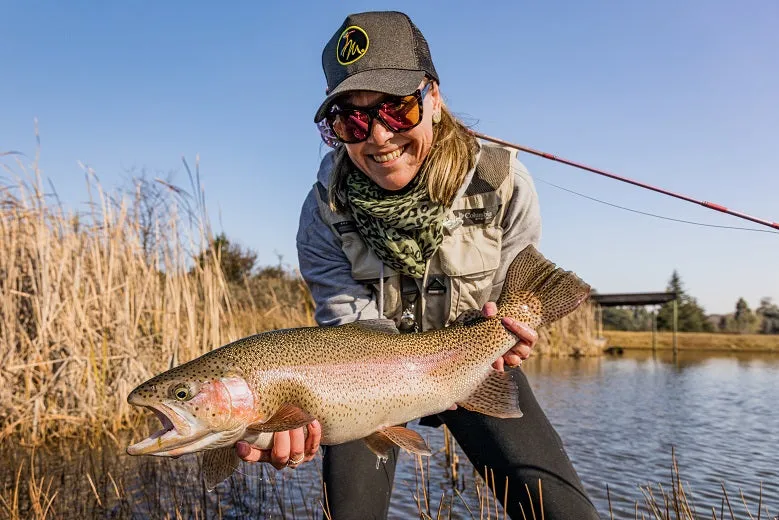
Every fly-fisherman remembers their first trout. Dullstroom is where more South Africans catch theirs than anywhere else — and it's the most forgiving place in the country to learn. Here's everything a beginner needs to know before the first cast.
Why Dullstroom?
Altitude is the secret. At 2,100 metres the water stays cool and oxygen-rich year-round — exactly what Rainbow and Brown Trout need. The highveld dams around town are stocked and managed, which means beginners get honest chances: fish are there, they feed, and a well-presented fly gets taken. Add clean mountain air and a fire waiting afterwards, and it's the finest classroom in South African fly-fishing.
The gear you actually need
Less than you think. A 5 or 6-weight rod (9 feet), a matching reel with floating line, and a handful of flies — most Dullstroom waters answer to a Woolly Bugger, an Adams, or a small nymph under an indicator. Waders are optional in summer; the shops in town rent rods and can set a beginner up completely. [ADD: your preferred local tackle shop / rental contact] Do not buy a vest, twelve fly boxes and waders before your first fish. The fish do not care.
Where beginners should start
Start on a stocked stillwater, not a river. Stillwater trout dams around Dullstroom forgive mistakes — a clumsy cast still lands, and the fish hold in visible, learnable places. Book a guide for your first morning: two hours of instruction typically costs less than a decent rod and will save you a season of bad habits. Ask us when you book the cottage and we'll match you with a venue and guide for your level.
Your first day, hour by hour
07:00 — coffee on the stoep, gear in the car. 08:00 — on the water while the mist lifts; trout feed hardest in the cool morning. 10:00 — the wind usually arrives; this is when the guide earns their fee. 12:30 — back to town for a late breakfast at Baker Boys, fishing stories already 20% exaggerated. Afternoon — optional second session, or the stoep. Evening — the fire, and the photos.
Licences, seasons and etiquette
Most waters around Dullstroom are private or club-managed, so your access and day-permits come with your booking or guide — ask when reserving. Handle trout gently: wet hands, minimal air time, and release quickly unless the venue allows keeps. And the etiquette that matters most here: greet fellow anglers, and never crowd someone's water. The highveld is big enough for everyone.
Frequently asked questions
Is Dullstroom good for first-time fly-fishers?
It's the best place in South Africa to learn — cool, oxygen-rich water, stocked trout dams, and guides who specialise in beginners.
What gear do I need to start fly-fishing in Dullstroom?
A 5–6 weight rod with floating line, a few classic flies, and sunglasses. Rods can be rented in town; ask us and we'll point you to the right shop.
Can children learn fly-fishing in Dullstroom?
Yes — calm dams and patient guides make it a wonderful family introduction. The Bird of Prey Centre down the road rounds out a perfect kids' day.
Sleep here while you explore
Amber & Birch is a hand-built, pet-friendly stone cottage minutes from everything in this guide — fireplace, braai, enclosed garden, and firewood included.
Book your stay About the cottageOne lovely letter a month — seasons, fires, dogs and Dullstroom news. No spam, ever.